
A useful dog walker handover tells another person which equipment to use, how your dog normally responds on a walk, where to go and who to contact if plans change. Keep the essential instructions on one page, then demonstrate the routine together. A long shopping list is not a substitute for a clear handover.
This is especially helpful when a family member, friend or new walker takes over a familiar weekday walk. Something obvious to you—such as which harness belongs to which dog—may not be obvious to someone seeing the equipment for the first time.
Put the essentials at the top
Start with your dog's name, your contact number, an alternative contact and the veterinary practice details you want the walker to have. Share private information directly with the person providing care rather than posting the completed note publicly.
Then write the agreed departure time, approximate return time and the route you have discussed. Include practical access instructions separately if they contain keys, codes or other sensitive details.
For example: “Use the blue harness on the left hook. We usually turn right at the end of the street. Please message me when you are back.” Clear, ordinary instructions are easier to follow than a paragraph explaining every item you have ever bought.
Demonstrate the exact harness and lead
Lay out the familiar walking set before the handover. Show how you put it on, where the lead attaches and how you check that the equipment is correctly fitted. Ask the walker to repeat the process while you are there so questions come up before the first solo outing.
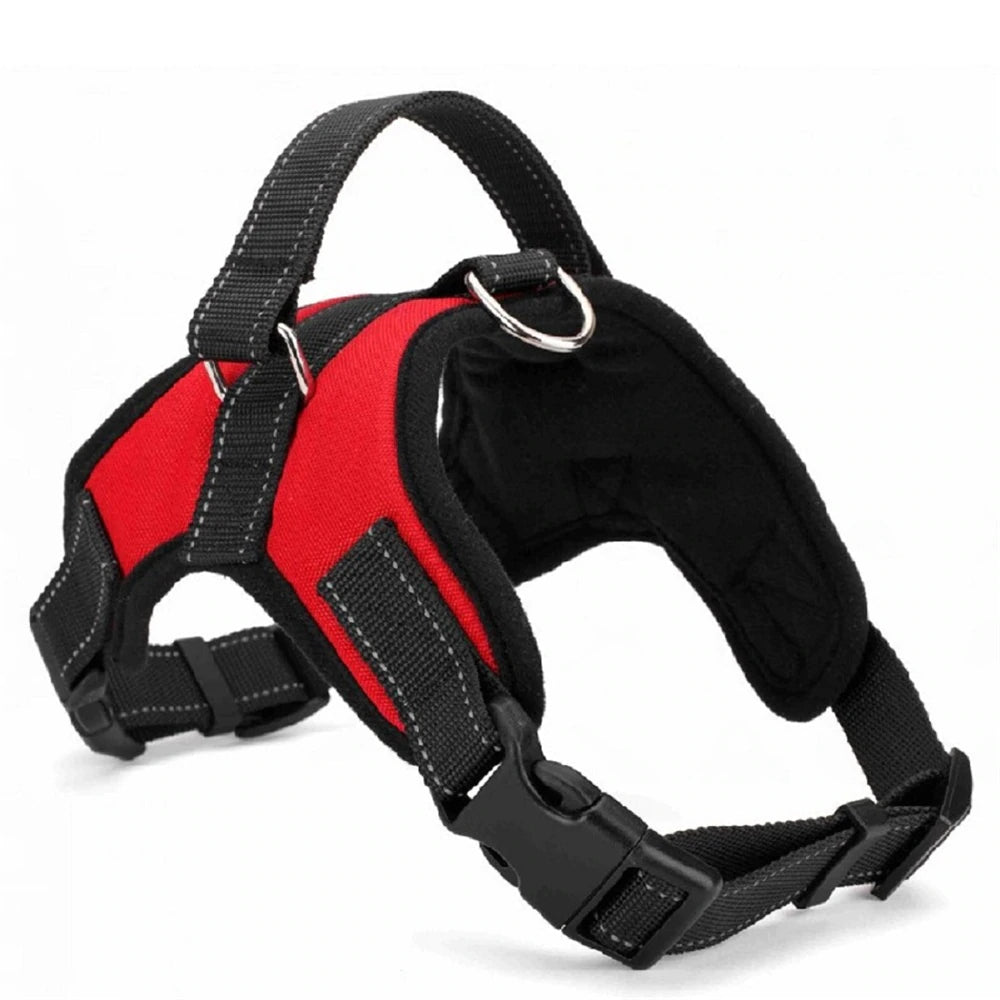
If you use the Ziggy Padded Heavy Duty Pet Harness, name that exact item in the note rather than writing “the harness.” A product name does not tell the walker which adjustment you use or whether your dog is comfortable with handling around the legs.
Do not make a first handover the occasion to introduce unfamiliar training equipment. Keep the routine predictable, and use a qualified professional for behavior or training problems that require individual guidance.
Describe situations, not personality labels
“He is friendly” gives less practical information than “He approaches people but can become excited when another dog gets close.” Describe what you have observed and the handling plan you have agreed with the walker.
Include places you normally avoid, whether greetings are part of the walk and any instructions from your dog's veterinary or behavior professional. Do not expect a note to teach the walker how to resolve aggression, fear or a medical problem.
A first walk together lets the walker see your pace, route and usual signals. It also gives you a chance to learn what additional information that person needs.
Make the return routine easy to follow
Write down where used equipment goes and what happens after the walk. If paw cleaning is part of your existing routine, demonstrate it and show where the towel is kept. The SoftClean Dog Paw Cleaner is one catalog option; it should not be introduced unexpectedly by a new walker if your dog has not used it before.
Specify what you want reported: a shortened route, an equipment problem or an unusual observation. Ask for concrete descriptions instead of a simple “all good.” For instance, “We returned early because the lead clip would not close normally” tells you what needs attention.
Review the note after the first walk
Ask what was unclear, update the instructions and remove unnecessary detail. Keep the revised copy where both of you can find it. If the equipment or routine changes, tell the walker directly rather than assuming they will notice a different item on the hook.
A good handover is not about buying every possible accessory. It is about making familiar gear and familiar routines understandable to the person caring for your dog. Start with the equipment you already use, practice together, and let real questions shape the final note.
Related guide: Humane Dog-Walking Checklist: Visibility, Harness Fit, Paw Care & Grooming.