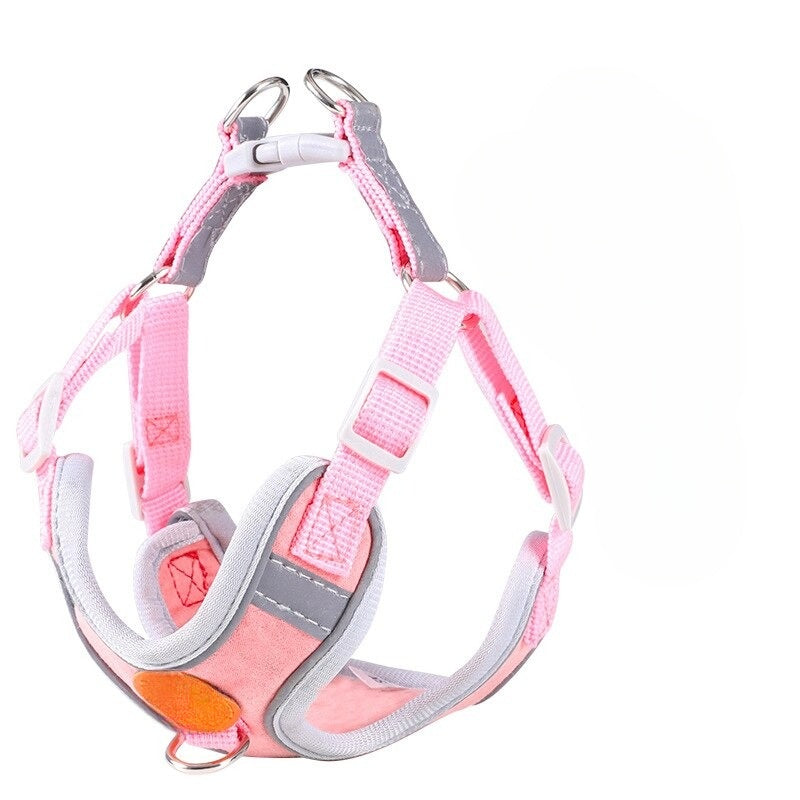
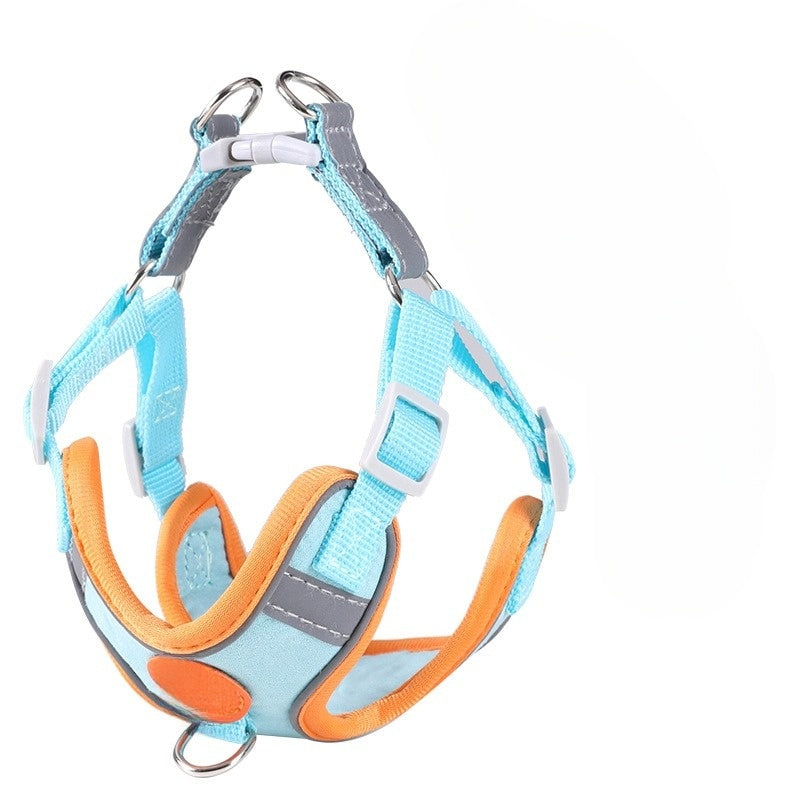
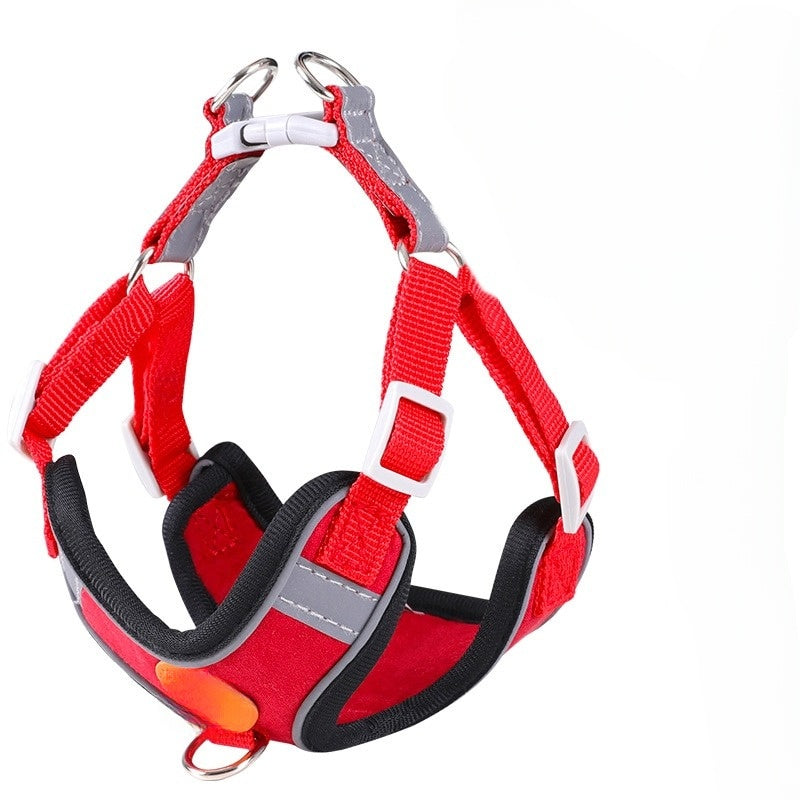
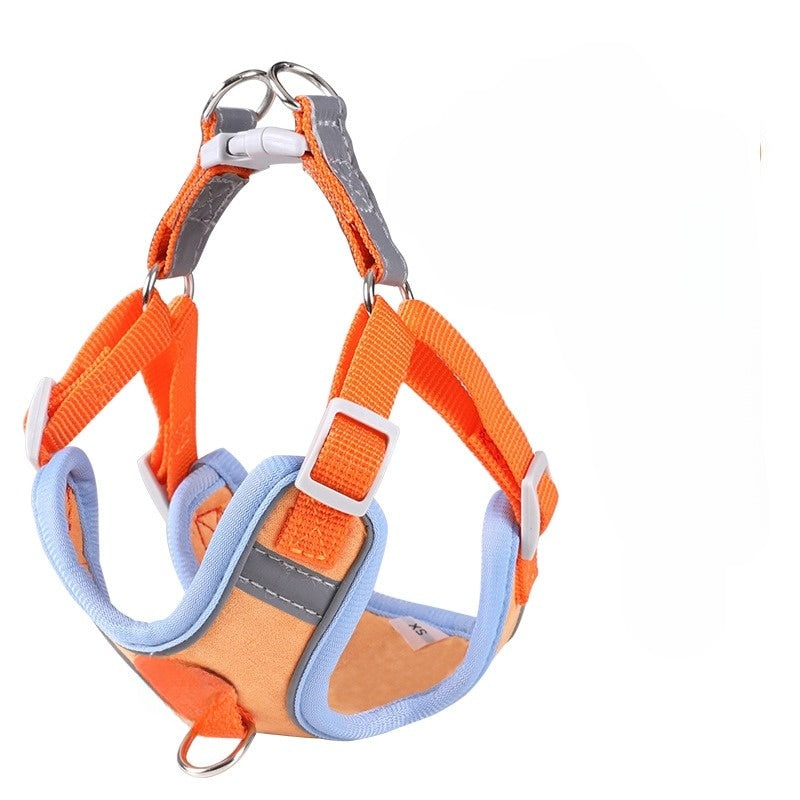
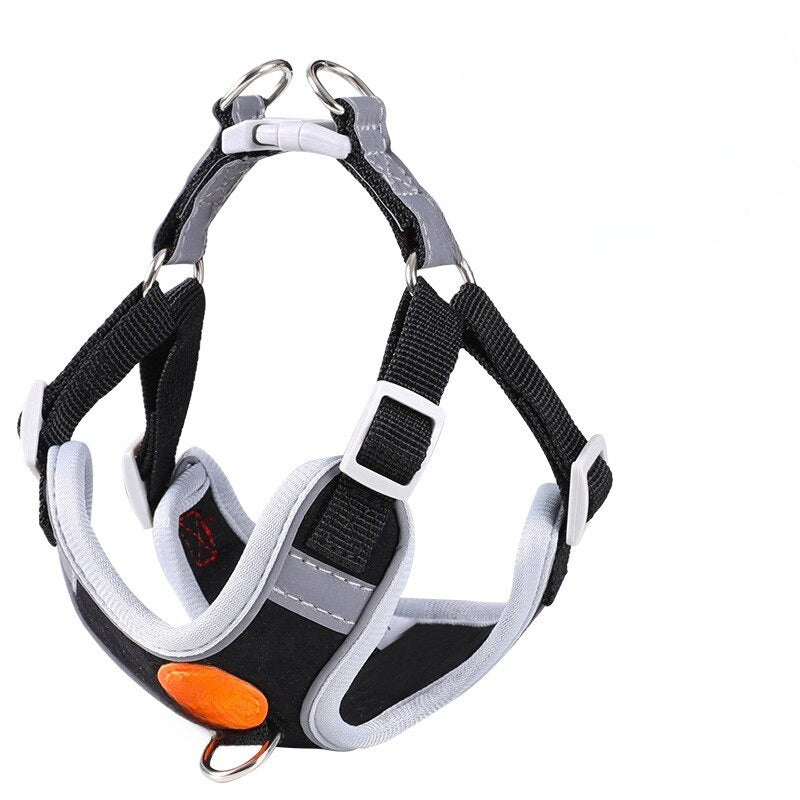
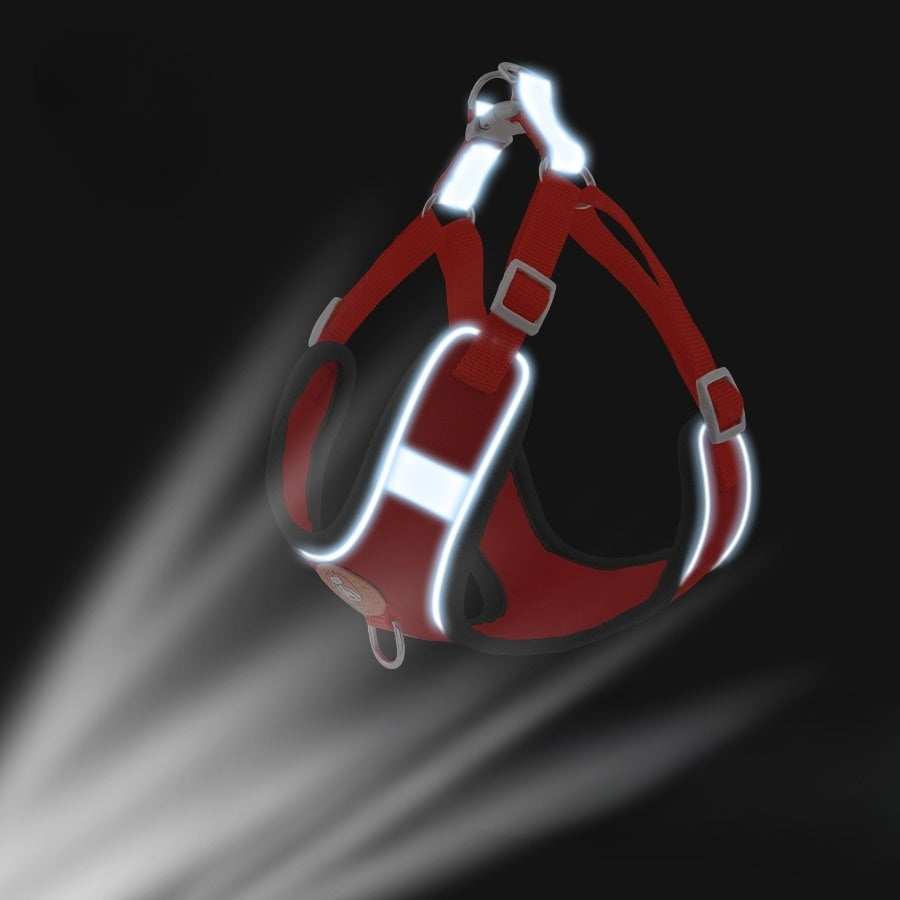
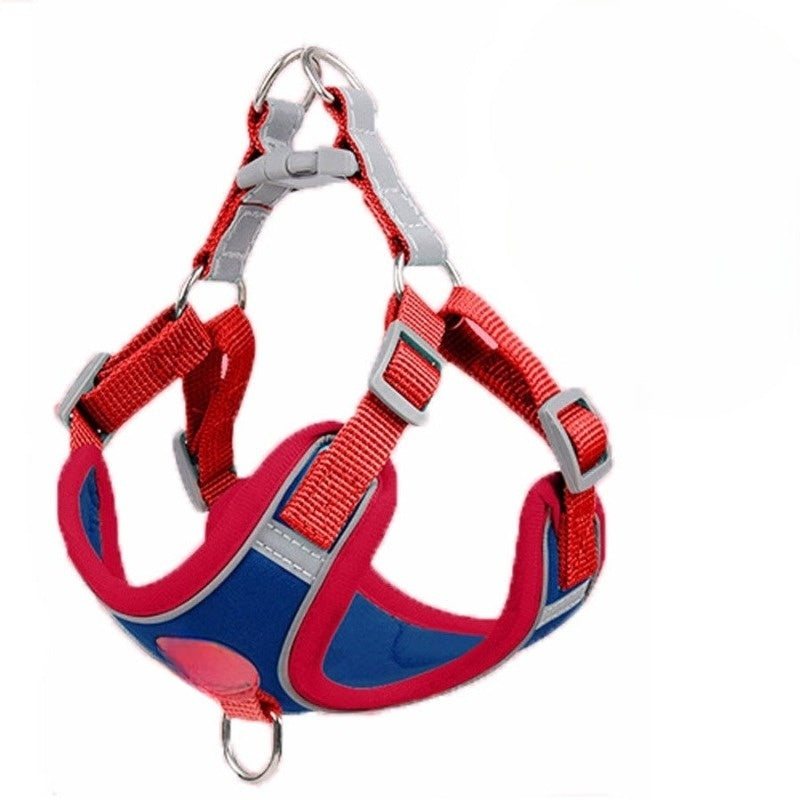
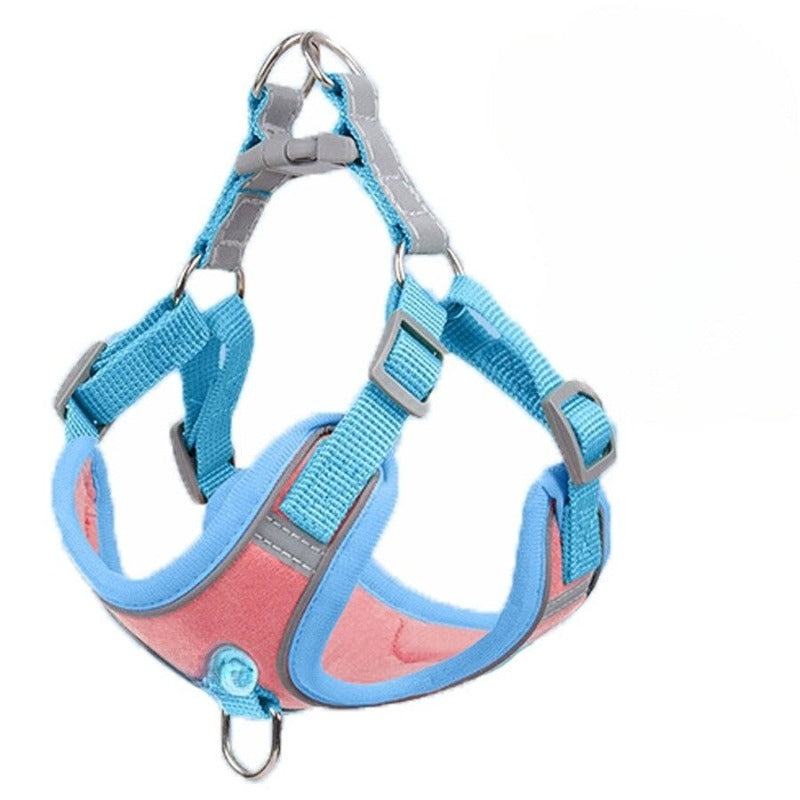
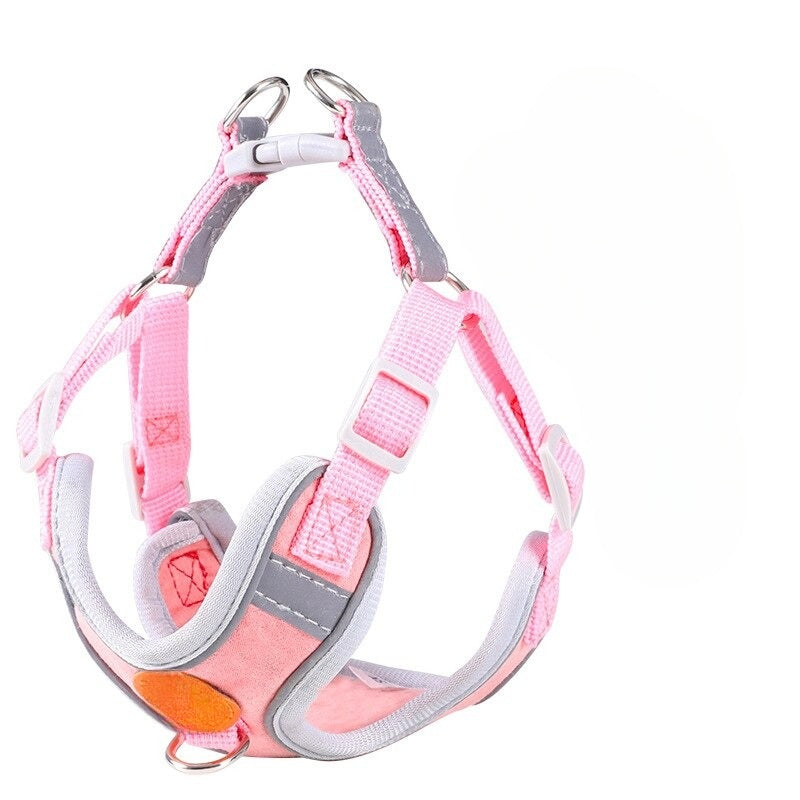
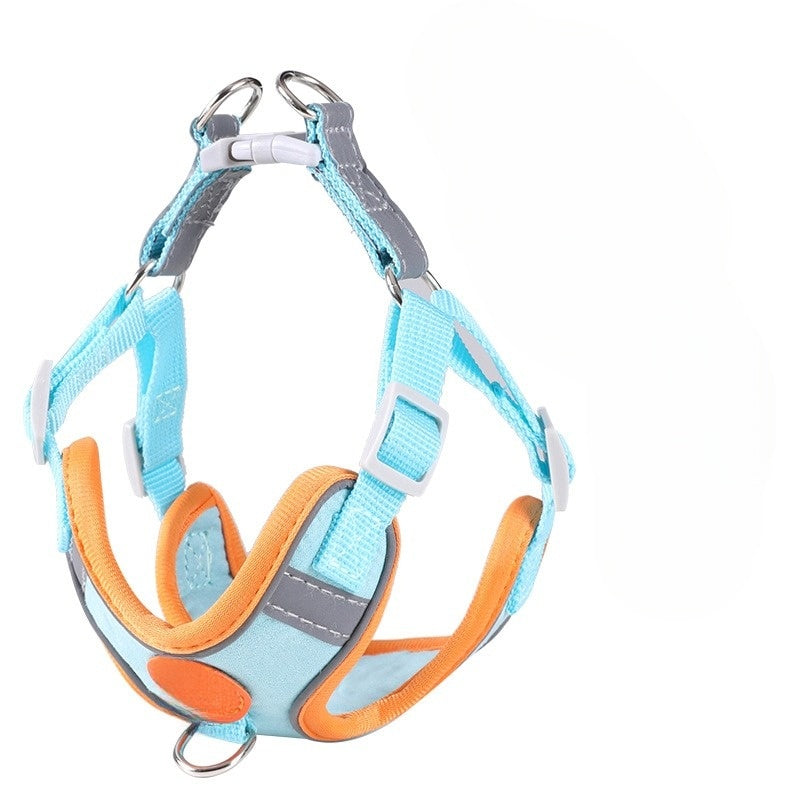
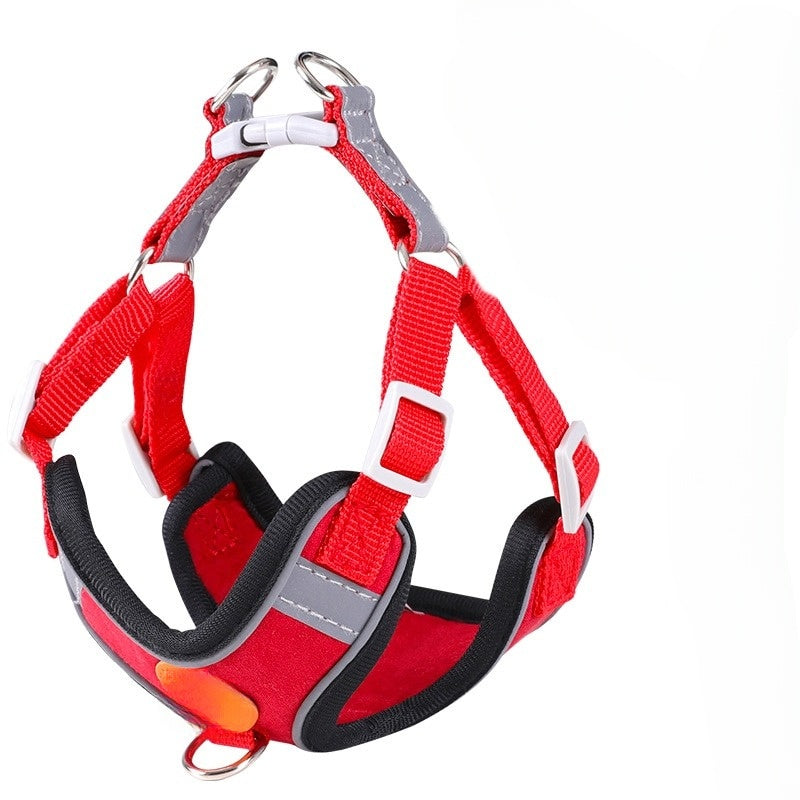
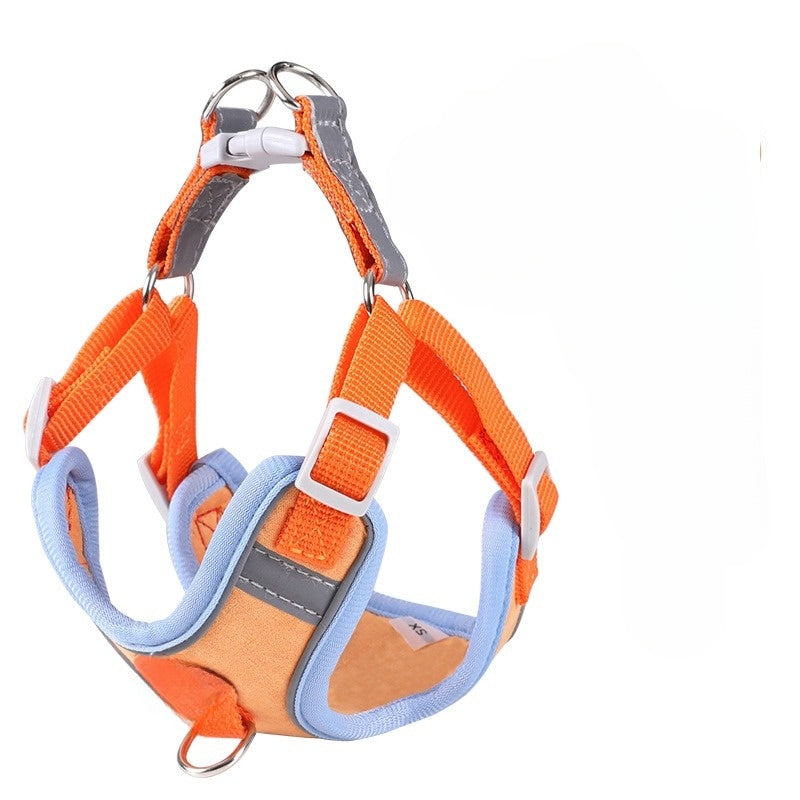
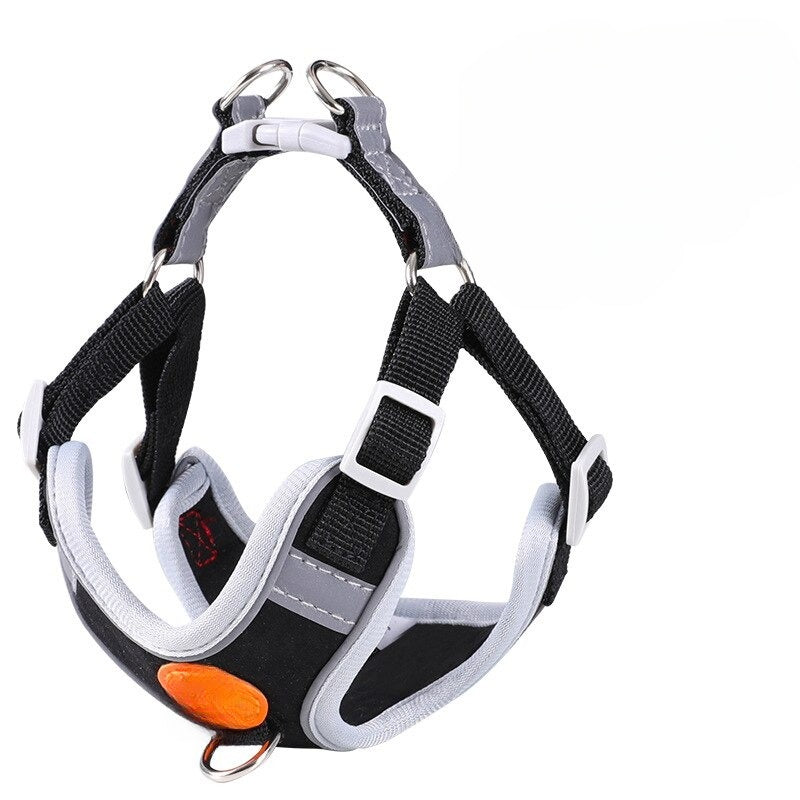
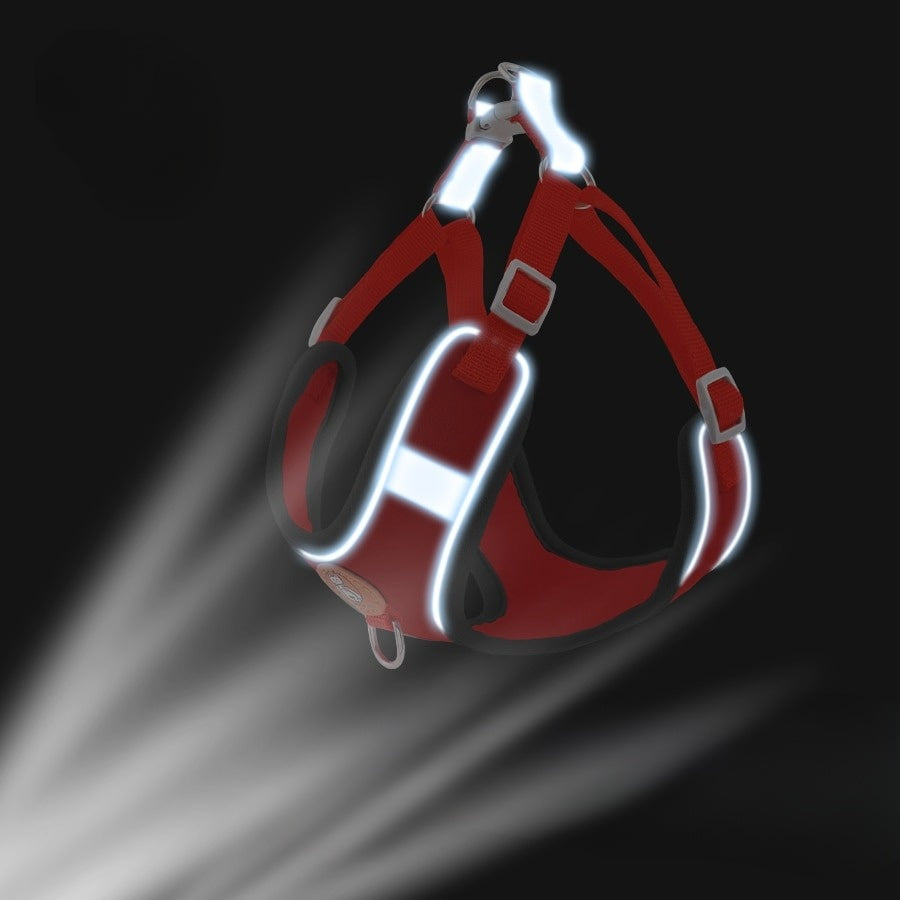
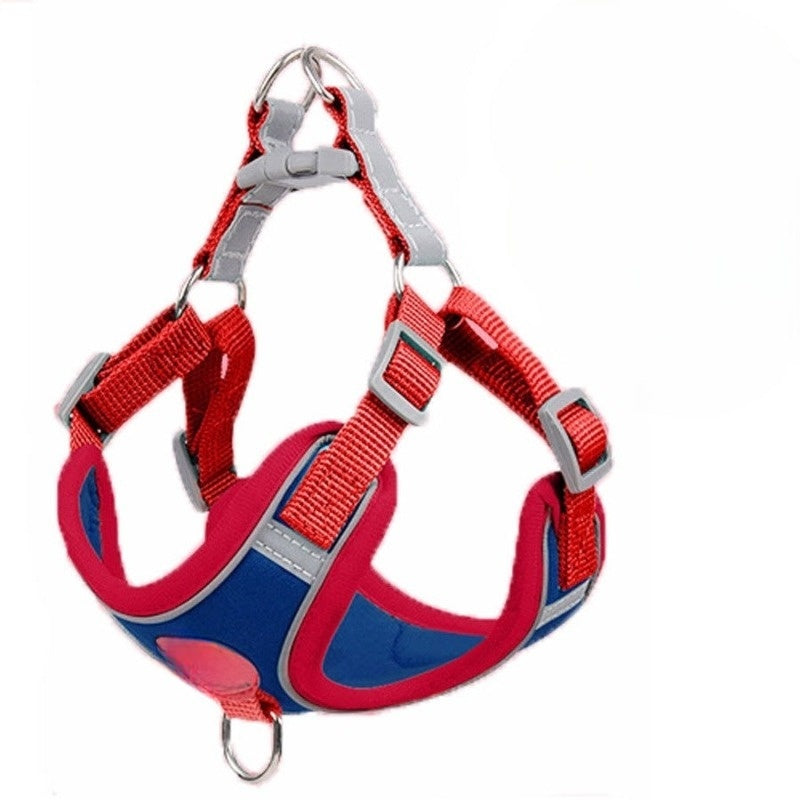
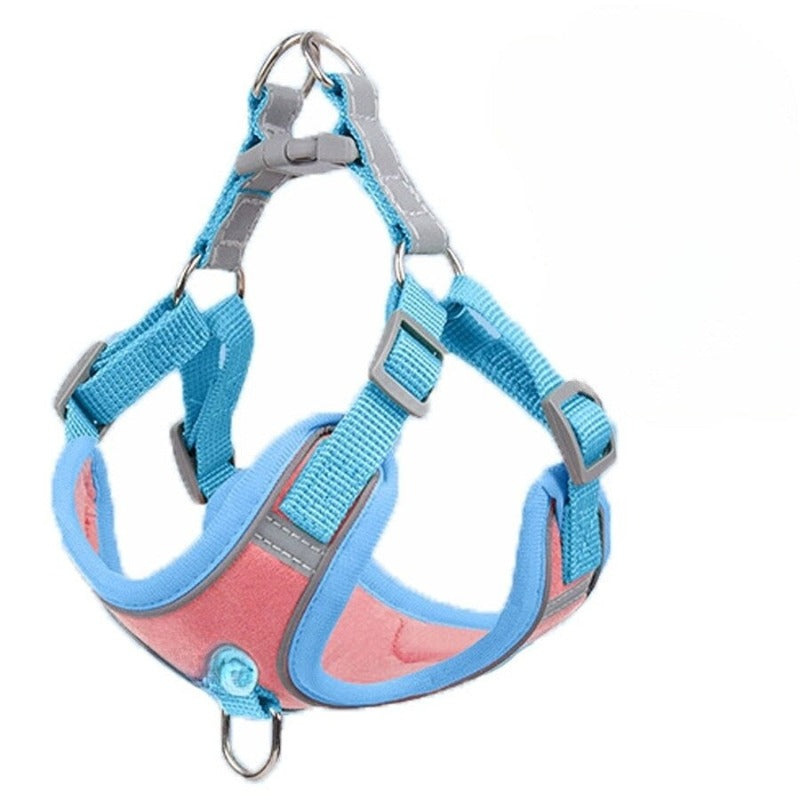
Unleash the true potential of your furry friend with this Adjustable Harness Without Leash For the Dog. Designed with both comfort and convenience in mind, this leash offers a new level of freedom and control during walks, runs, and outdoor adventures. Crafted with high-quality, breathable materials, our harness ensures optimal comfort for your four-legged friend. The lightweight design prevents rubbing or chafing, allowing your dog to enjoy extended periods of wear without discomfort.
Specifications:
- Dog Leash Type: Basic Leashes
- Material: Nylon
- Type: Leashes
Size Chart:
| Size |
Chest |
|
| XXXS |
23-32 |
0.5-2 |
| XXS |
32-41 |
2-3.5 |
| XS |
41-50 |
3.5-7 |
| S |
47-54 |
7-10 |
| M |
54-64 |
10-15 |
| L |
64-77 |
15-22.5 |
Frequently Asked Questions
This harness does not include a leash — what attachment point does it have for connecting one?+
The listing describes it as a basic leash harness designed to have a leash clipped to it. While the body does not specify whether the D-ring is on the back or chest, standard nylon harnesses in this category have a back D-ring. If front-clip no-pull functionality is important to you, confirm the attachment position before purchasing.
What is the weight and chest range for the smallest size?+
The XXXS size fits a chest of 23–32 cm for dogs weighing 0.5–2 kg. This covers very small breeds such as Chihuahuas and miniature Pinschers. The range extends to L at 64–77 cm for dogs up to 22.5 kg.
How does nylon perform compared to polyester for harness durability?+
Nylon is generally stronger per unit weight than polyester and resists abrasion better, making it a preferred material for harnesses on active or strong-pulling dogs. It also holds dye well, maintaining color after repeated use in wet or muddy conditions.
Can this harness be worn for extended periods without chafing?+
The listing highlights the lightweight design and breathable materials specifically to prevent rubbing or chafing during extended wear. Nylon harnesses of this type are designed for multi-hour use. That said, checking for redness at the armpit areas after the first few uses is a good practice for any new harness regardless of material.